Quick Summary: What It Offers & Why It’s Interesting
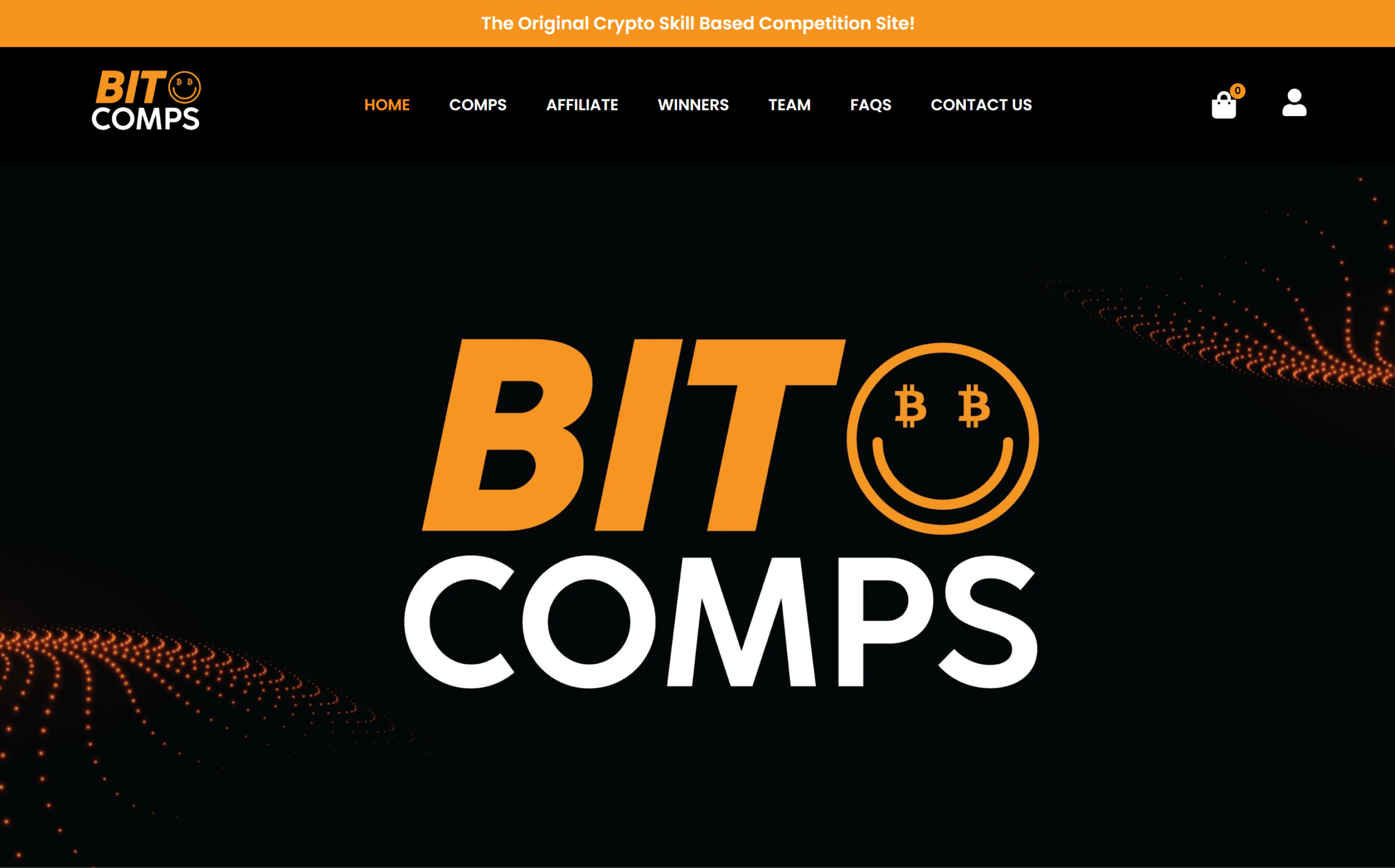
This project is built around a skill-based competition/raffle platform (ticket model, fixed odds) and aims to improve trust through blockchain-style transparency. The concept is straightforward: pick a competition, buy tickets, register, and watch the live draw.
On the token side, they introduce COMPS on Base with a fixed supply of 100,000,000 and a utility story that matches a raffle business model: part of the platform margin is planned for buy & burn, plus plans for a Telegram game and special raffles for holders.
What you should look at with extra caution: the presale uses Manual Listing (liquidity isn’t automatically added), and the contract mechanics include a 10% sell tax plus owner-controlled settings within a stated limit.
This is not financial advice. Treat it as a DYOR guide so you can decide with clear eyes.
Fast Score (Quick Version)
- Product clarity: fairly clear (a competition platform concept is shown publicly).
- Tokenomics: buy & burn is a solid idea, but it depends on real cashflow.
- Contract transparency: best case is verified source code and clear fee rules.
- Main risks: manual listing, sell tax, and early-stage distribution concentration.
Presale Facts in 30 Seconds
Here are the most important presale points (from the presale listing info you provided):
- Softcap: 15,000 USDC
- Hardcap: 50,000 USDC
- Presale rate: 1 USDC = 200 COMPS
- Presale allocation: 10,000,000 COMPS
- Min/Max buy: 1 USDC – 10,000 USDC
- Status: Upcoming
- Listing: Manual (LP not automatically added)
What Is BitComps and What Problem Does It Try to Solve?
BitComps positions itself as a competition/raffle-style product with stronger trust and verifiability. The pitch is basically: digital raffles can feel “murky,” so using blockchain-style transparency can make them feel more trackable and fair.
From a user perspective, it works like many competition platforms:
- choose a competition,
- buy tickets,
- register an account,
- watch the live draw.
Why “skill-based” matters
“Skill-based” is often used to suggest the outcome isn’t purely random (depending on implementation), which can improve how people view fairness. Still, competition/raffle platforms often come with 18+ requirements and can touch regulatory questions in different countries—so that’s something you should consider early.
Product & Use Cases: From Raffles to a Game Ecosystem
A strong point is that the project doesn’t look like a blank landing page. The platform concept includes sections like winners, team, FAQs, and contact, which helps credibility.
They also mention:
- a buy & burn plan using part of the platform margin,
- a Telegram-based instant win game concept,
- special “low odds” raffles for token holders from time to time.
The key reality check: all of this becomes meaningful only if the platform actually generates steady transaction volume. If cashflow is thin, buy & burn will be thin too.
COMPS Token: Utility, Burn, and Buy Pressure
The COMPS token narrative is simple and easy to follow:
- fixed supply (100,000,000),
- utility tied to platform activity,
- buy & burn as a long-term value lever.
Deflation Model: Buyback & Burn
They state that a portion of margin is intended for buy & burn (tokens bought back and burned to reduce supply). That can be powerful—but only when it’s funded by real revenue and executed transparently.
When does burn actually matter?
Burn matters when:
- the platform has real, repeatable volume,
- the burn is regular and verifiable,
- token demand doesn’t rely only on hype cycles.
In short: burn is a tool, not magic.
Tokenomics & Early Distribution (Reality Check)
In early stages, tokens are often held by very few addresses before public distribution happens. That’s normal, but it increases sensitivity:
- post-presale price action can swing hard,
- liquidity choices matter more,
- a small number of wallets can influence the market.
So, this is the part where you stay calm, verify facts, and avoid rushing in.
PinkSale Presale Details (Base): Numbers You Must Understand
The presale accepts USDC on Base. The caps and rate are clear, which is good. You can also estimate implied valuation from the presale rate:
Presale Schedule (UTC vs WIB / Asia-Jakarta)
The schedule in UTC (as listed) converts to WIB (UTC+7) as:
- Start: 13 January 2026, 19:00 WIB
- End: 18 January 2026, 00:00 WIB
Implied Valuation (FDV) from Presale Price
Rate: 1 USDC = 200 tokens, so the presale price is roughly $0.005 per token.
With a 100,000,000 total supply, implied FDV ≈ $500,000.
Big Risk Point: Manual Listing
Manual Listing means liquidity won’t be added automatically by the presale platform. That’s not instantly “bad,” but it makes these checks essential:
- Is there a clear listing plan?
- How much USDC goes to LP?
- Is LP locked?
- Who controls LP actions and timing?
Audit & Security: What’s Good, What to Watch
An audit can help reduce technical risk, but it is not a guarantee of profit or a guarantee that everything is risk-free. Treat audit results as one signal, then do your own checks like contract permissions, fee settings, and how liquidity will be handled after presale.
Sell Tax and Fee Controls
A key point to monitor is the sell-side fee and whether contract settings allow fees to be adjusted later (even if there’s a cap). If owner permissions exist, the safest move is to understand:
- what can be changed,
- the maximum limits,
- and whether there’s a plan to renounce ownership or lock parameters.
Team & Credibility
The project shares team roles and backgrounds (marketing, branding, Web3 education/KOL). That’s a good transparency signal. Still, the smartest approach is to verify credibility independently:
- check consistency of public profiles,
- review past work,
- watch how the team communicates under pressure.
Roadmap 2025–2027: Ambitious Targets
The roadmap is broad and ambitious: platform milestones, public rounds, launch plans, multi-country scaling, Telegram game integration, and expansion goals. Ambition is fine—but execution is everything. For investors, the most important milestones are the closest ones:
- product launch,
- real platform activity,
- proof of buy & burn transactions.
Top Risks (Must Read Before Joining)
- Manual listing: requires clear LP plan and transparency.
- Sell tax: reduces short-term trading flexibility.
- Owner permissions: settings may be changeable within limits.
- Unlock schedules: can create sell pressure over time.
- Regulatory/age constraints: competition platforms often have compliance considerations.
- Early concentration: very early token distribution can amplify volatility.
Practical DYOR Checklist (Step-by-step)
- Confirm presale details: caps, rate, schedule, min/max buy.
- Verify contract: source, taxes, owner permissions, and fee caps.
- Review audit summary and understand what it does—and doesn’t—cover.
- Check product reality: platform progress, demos, public activity, and user experience.
- Watch near-term roadmap delivery: launch + proof of real cashflow.
For general DYOR learning, a helpful beginner resource is Binance Academy’s DYOR education content:
https://academy.binance.com/en/articles/how-to-do-your-own-research-dyor
FAQ (Most Asked Questions)
1) What network is this presale on, and what currency is used?
It’s on Base and uses USDC (as per the presale listing details you shared).
2) When does the presale start and end in WIB?
Start: 13 Jan 2026, 19:00 WIB
End: 18 Jan 2026, 00:00 WIB
3) What does “Manual Listing” mean?
Liquidity isn’t automatically added, so you must verify LP plans, lock status, and listing timeline.
4) What is the token supply?
The stated fixed supply is 100,000,000 tokens.
5) Is there a transaction tax?
You should review the contract/audit information to confirm buy/sell taxes and whether they can be changed within a cap.
6) Does “Passed Audit” mean it’s 100% safe?
No. Audits reduce certain risks, but they never remove all risks. DYOR is still necessary.
7) What makes buy & burn meaningful?
Real platform cashflow, consistent execution, and transparent on-chain proof.
Conclusion: Who It Fits, and the Safest Approach
BitComps may appeal to people who like the GameFi/competition angle and want exposure to a token that claims utility tied to platform cashflow (buy & burn). The positives are the clear concept and a roadmap that outlines how value could be created.
But the safest stance is cautious and practical: manual listing, sell tax, owner permissions, and unlock pressure can all shape outcomes. If you participate, do it with strict DYOR—verify liquidity plans, listing timing, fee controls, and real product progress