

First Impressions (Website + User Flow)
When you open the website https://rifex.io/, you’ll likely look for a few basics right away:
- What can users do?
- Is the interface clear?
- Does it show real activity?
If a project makes onboarding easy, that’s a plus. In addition, simple menus and clear actions help reduce user mistakes, especially for new people.

Even so, don’t judge only from looks. Instead, treat the website as the front door. Then, confirm the “back-end truth” through public data like transactions and contract activity.
On-Chain Reality Check (What You Can Verify)
If you want an objective view, on-chain data matters. So, the most direct method is:
- Find the official contract address (from the team or website).
- Open it on PolygonScan.
- Review the contract tab, events, and transactions.
Start here: https://polygonscan.com/
What you’re looking for:
- Are key actions visible on-chain (register, upgrade, withdraw)?
- Are events consistent and active?
- Do transactions look organic over time?
Also, keep it simple. You don’t need to be a developer. You just need to confirm that activity exists and matches the project story.
How the System Seems to Work (Plain-English Version)
Based on common patterns in similar Web3 apps, the flow usually looks like this:
- Register: you create a profile and join the system
- Upgrade: you move to the next stage/level
- Withdraw: you claim what the system shows as your balance
- Profile changes: you may be able to update parts of your identity
That said, the key point is not the labels. Instead, it’s the rules behind them:
- What triggers rewards?
- Where do rewards come from?
- Who benefits most?
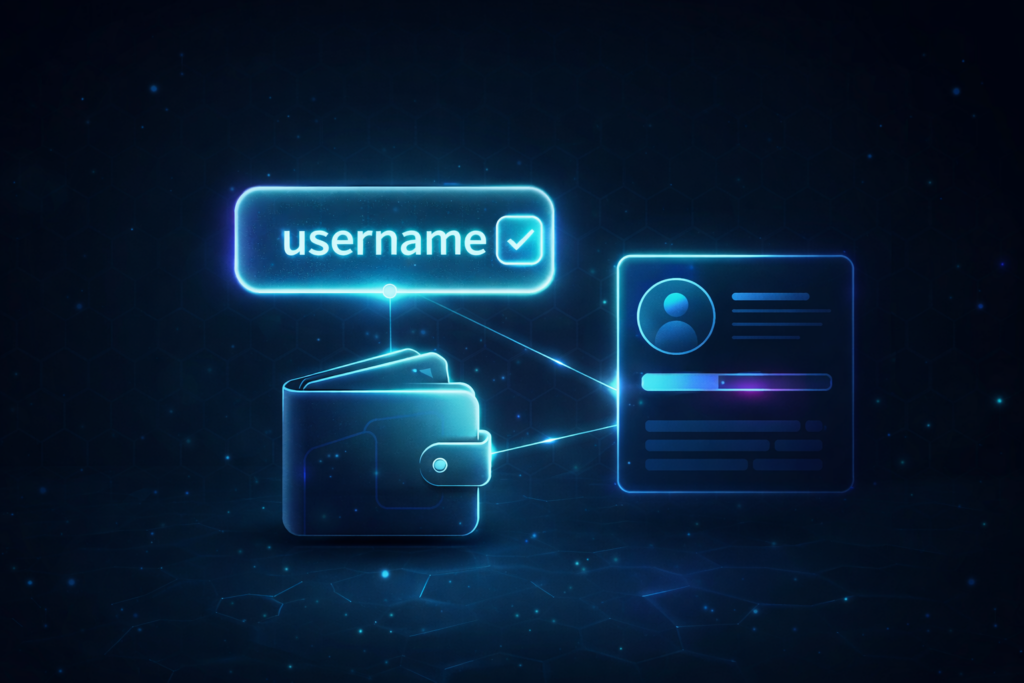
Next, you should check if the “username identity” is truly an NFT on-chain, or if it’s only a username inside the app. This is important, because those are very different things.
Payments and Tokens (Keep Expectations Realistic)
Many Web3 platforms allow payments in:
- the network’s gas token, and/or
- a stablecoin (like USDT/USDC), depending on the setup
So, if Rifex supports stable payments, that can reduce price swings for users. However, stable payment routes can also add extra steps, like token approval and swap paths.
Therefore, a good DYOR step is to check:
- Which tokens are used?
- Is there a swapper/router?
- Are fees clear before you confirm a transaction?
If the docs don’t explain it well, then test with a small amount only.
Security Signals (Positive, But Not a Guarantee)
Security is where people get emotional. Still, try to stay calm and practical.
Good signs often include:
- Verified contract code (easy to inspect)
- A published audit or review report
- Clear admin controls and limits
However, even an audit is not a “magic shield.” Instead, treat it as one clue in a bigger picture.

After that, do one more thing: look for who controls the system settings. If one wallet can change key contracts, risk goes up. On the other hand, if controls are limited or transparent, trust goes up.
Community Footprint (Telegram, X, Instagram)
Social channels matter because they show:
- how fast news moves,
- how the team answers questions,
- and how the community behaves.
You can monitor updates here:
- Telegram: https://t.me/rifexofficial
- X: https://x.com/rifexofficial
- Instagram: https://www.instagram.com/rifexofficial
Also, don’t just count followers. Instead, check:
- Are posts consistent?
- Do admins respond clearly?
- Are updates specific or vague?
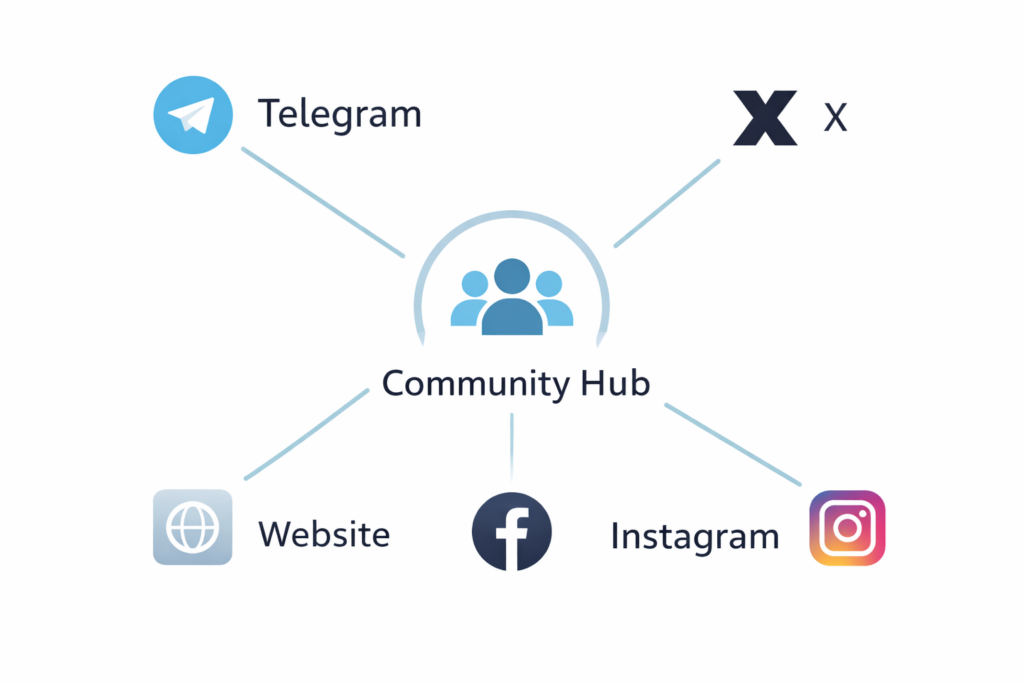
Meanwhile, a small community is not always bad. In fact, many projects start small. Still, it does mean you should be extra careful and rely more on verifiable proof.
What Looks Strong (The Positive Case)
Here are the best “good signals,” in a grounded way:
- Clear concept: identity + progress systems are easy to understand.
- Public footprint: official links are available and easy to find.
- User-focused flow: register/upgrade/withdraw style actions are simple to follow.
Also, if the team keeps improving docs and UI, the project can feel more trustworthy over time.
Risks and Watchouts (What to DYOR First)
To stay objective, here are the main risks to check:
- Referral-heavy design risk
Invites can help growth. However, if rewards depend mainly on recruiting, that’s a red flag. So, you must learn how value is created. - Control and permissions
If a single admin can change key settings, risk rises. Therefore, check who controls config and key contracts. - Unclear “Username NFT” details
If the project says “NFT,” confirm the NFT contract and mint logic. If you can’t find it, ask in Telegram. - Withdraw rules and limits
Withdraw is where trust is tested. So, read the rules, fees, and conditions before you put in real money.
DYOR Checklist (Quick and Practical)
Use this simple checklist before you act:
- Check official links
- Website: https://rifex.io/
- Telegram: https://t.me/rifexofficial
- X: https://x.com/rifexofficial
- Find and review on-chain data
- Search the contract on PolygonScan: https://polygonscan.com/
- Look at transactions and events
- Check if activity matches the project claims
- Confirm identity claims
- Ask: “Where is the Username NFT contract?”
- Ask: “How do I prove ownership on-chain?”
- Test small first
- Do a tiny test transaction (if you choose to interact)
- Confirm you understand fees and outcomes
- Then decide if it’s worth deeper involvement
Meta Description: Rifex review with a positive but objective take, official links, on-chain checks, risks, and a simple DYOR checklist.
This is not financial advice. Instead, it’s a clear review to help you do your own research (DYOR). So, I’ll highlight what looks good, what still needs proof, and what you should check before you act.
Project Links (Start Here)
First things first, use these as your main reference points:
- Official website: https://rifex.io/
- Telegram: https://t.me/rifexofficial
- X (Twitter): https://x.com/rifexofficial
- Instagram: https://www.instagram.com/rifexofficial
Helpful DYOR references (public data):
- PolygonScan (smart contract view): https://polygonscan.com/
- If you want a simple DYOR definition: https://www.binance.com/en/academy/glossary/do-your-own-research
What Rifex Says It Is (In Simple Words)
From the official channels, the project describes itself as a Web3 GameFi platform with SocialFi elements. In other words, it mixes a “game-like” progress system with social growth (like invites and teams).
Also, it mentions unique usernames and “Username NFT” style identity (based on its messaging). That can be exciting because identity is a big deal in Web3. However, you should still confirm the exact tech behind it.
Where to check this claim:
- Read the official description on Telegram: https://t.me/rifexofficial
- Compare it with what you can see on-chain via PolygonScan: https://polygonscan.com/
FAQs
1) What is Rifex in one sentence?
It’s presented as a Web3 platform that mixes game-style progress with social growth and user identity.
2) Where can I follow official updates?
Use the official pages: https://rifex.io/, https://t.me/rifexofficial, and https://x.com/rifexofficial.
3) How do I check if it’s real on-chain?
Search the project contract on https://polygonscan.com/ and review transactions and events.
4) Does an audit mean it’s safe?
Not always. An audit can help, but you still need to check permissions, rules, and real user outcomes.
5) What should I verify first if I’m new?
Start with: contract activity, admin control risk, and withdraw rules.
6) Why do people say “DYOR” so much?
Because it protects you from hype. Here’s a simple DYOR explanation: https://www.binance.com/en/academy/glossary/do-your-own-research
7) What is the biggest warning sign to watch for?
If rewards rely mostly on recruiting rather than real usage, you should be very cautious.
Conclusion
Overall, Rifex looks interesting from a concept point of view. It has a clear identity-and-progress story, and it provides official channels that you can track. However, you should stay disciplined. So, confirm the on-chain proof, confirm admin control limits, and confirm the “Username NFT” claim before you trust it.
If you want, I can also rewrite this into a shorter blog post version (500–800 words) that still keeps the same DYOR tone and the same links.